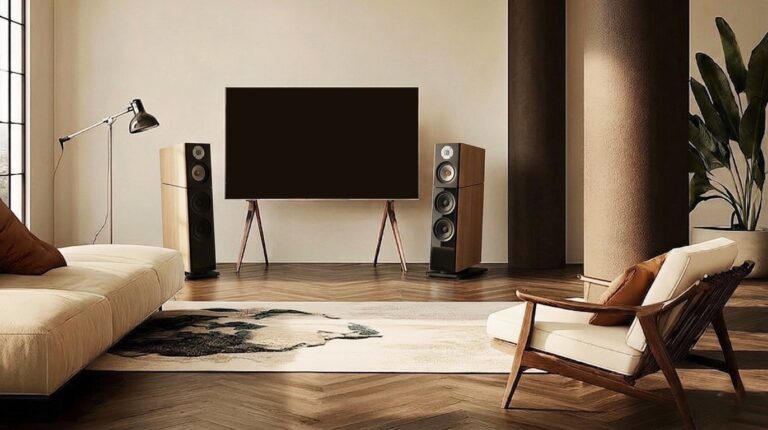
Is Vinyl Still Worth It in 2026? A No-Snob Guide to Getting Started
Vinyl keeps outselling the formats that were supposed to replace it, but the real question isn’t whether records are “back” — it’s whether a turntable belongs in your living room. Here’s the honest answer, minus the audiophile posturing.
Why vinyl still matters — and what it isn’t
Let’s clear up the myth first: vinyl is not “better sounding” than lossless streaming in any technical sense. A clean digital file has lower noise, flatter response and none of the surface hiss. What a record gives you is different, not better. It’s a physical object you own and handle. It’s the ritual — sliding the record out of the sleeve, dropping the needle, flipping the side — that makes you actually listen instead of letting music run in the background. And for plenty of people, the format’s warmth (really the gentle roll-off of the highs plus the sound of the room) just feels good.
If that trade sounds like something you want, vinyl is worth it. If you’re chasing the best possible sound for the money, stay with streaming and put the budget into speakers instead.
What you actually need to start (and what you don’t)
The entry point is far smaller than the hobby’s reputation suggests. You need three things, and only three:
A turntable. This is where most of the budget belongs. You have two paths: a component deck that feeds a separate amp and speakers, or a modern all-in-one with a built-in phono stage and speakers. For a first setup, the all-in-one is almost always the right call — one box, one plug, no matching headaches.
Speakers — unless your deck already has them. Don’t overthink this step. A good powered pair, or a solid Bluetooth speaker, gets you ninety percent of the experience without a receiver.
A stack of records you actually love. This is the part people skip, and it’s the one that matters most. A turntable with nothing on it you want to play is an expensive paperweight.
What you don’t need: a separate phono preamp (most modern decks have one built in), boutique cables, or a tube amp. The forums will tell you otherwise. Ignore them for now.
One clean way in
If you’d rather get the whole thing in a single box, a deck like the House of Marley Soul Rebel Turntable is built for exactly that. It ships with stereo speakers and a dual bass-port design, so you can pull it out of the box and spin a record the same afternoon. Bluetooth in and out means you can play the deck through a speaker you already own, or stream into it when you’re not playing vinyl. It’s made from sustainable bamboo and REGRIND™ recycled plastic, with a soft ambient glow and a proper dust cover — so it reads as furniture rather than lab equipment, which matters if it’s going to live in your living room.
Or skip the turntable entirely
You don’t have to commit to vinyl to get the “music as ritual” feeling. If you’re still on the fence, a genuinely good Bluetooth speaker is the lower-stakes version of the same impulse — something that makes you want to sit and listen rather than scroll. The House of Marley Get Together 2 XL covers that: 60 watts through dual woofers and tweeters, 20 hours of battery, and an IP65 rating that survives a summer outside. It won’t play a record, but it’ll make whatever you’re streaming feel more deliberate.
The bottom line
Vinyl in 2026 isn’t about chasing fidelity — it’s about changing how you listen. If you want a ritual, a physical library and a reason to sit down with an album, a good all-in-one turntable is genuinely worth it. If you just want better sound, put the same money into speakers and keep streaming. Either way, the point is the same: stop treating music as background.
Gear Radar is our editorial corner: buying guides, reviews and tutorials for people who care about how things sound. No sponsored rankings, ever.